

Lead Generation
10 Practical Lead Generation Strategies for Small Businesses
11 min read · May 18, 2026
Step-by-step guide to building a high-converting lead funnel. Refine your sales funnel strategy, improve your lead capture system, and drive more conversions.
You're spending thousands on LinkedIn ads, publishing weekly blog posts, and running webinar after webinar. But your CRM is still empty, your sales team is complaining about low-quality leads, and your revenue goals feel further away every month. Sound familiar? The problem isn't your traffic volume — it's your lead funnel. A poorly structured lead funnel leaks potential customers at every stage, turning even high-intent traffic into wasted budget. For SaaS founders and marketers, a high-converting lead funnel isn't a nice-to-have: it's the difference between scrappy growth and predictable, scalable revenue.
A lead funnel is the end-to-end journey a visitor takes from first discovering your brand to becoming a qualified lead ready for sales follow-up. It's not the same as a sales funnel strategy (which covers the full journey from lead to closed deal) or a conversion funnel (which tracks micro-conversions like email signups or demo requests). Your lead funnel specifically focuses on top-of-funnel awareness to middle-of-funnel lead qualification, while your lead capture system is the tactical tools (forms, popups, lead magnets) you use to collect contact info within that funnel. A high-converting lead funnel optimizes every touchpoint in this journey to turn passive visitors into sales-ready leads at the lowest possible customer acquisition cost (CAC).
For SaaS teams, a broken lead funnel can waste campaign spend and sales time. Review each step, from the ad to the form to follow-up, and remove unnecessary friction. Use your own conversion data to prioritize improvements and keep marketing and sales aligned.
Marketing and sales can agree on qualification criteria such as buyer fit and expressed intent. Review lead quality together and refine the handoff as you learn what works.
When your lead funnel converts better, you don't need to increase ad spend to hit lead goals. Every improvement in conversion rate directly reduces CAC. Use your own campaign data to compare cost per lead before and after making funnel changes.
When your lead funnel has consistent, trackable conversion rates at each stage, you can accurately predict lead volume and closed deals months in advance. No more guessing if you'll hit quota: tracking how leads move between stages can help you plan spending and identify bottlenecks.
A structured lead funnel tracks conversion rates at every stage, so you can see where visitors drop off. Review the lead magnet, form and follow-up email before deciding which step to improve.
Passing every email signup to sales as a lead is a common error. This wastes sales time on unqualified prospects and erodes trust between teams. Always define clear MQL and SQL criteria early in your lead funnel to ensure only fit leads reach your sales team.
Long forms can add friction. Ask for the information essential to start a conversation, and gather more details later when appropriate.
Only tracking final demo requests or purchases means you miss early signs of intent. Micro-conversions like clicking a lead magnet, watching an explainer video, or visiting your pricing page indicate a user is moving through your conversion funnel. Track these to segment your audience and send targeted nurture campaigns to leads who aren't ready to buy yet.
Sending a user searching for "best SaaS CRM for small business" to a generic homepage instead of a comparison guide is a waste of high-intent traffic. Map every traffic source to a funnel stage that matches intent: awareness traffic gets educational content, consideration traffic gets case studies, and decision traffic gets demo invitations.
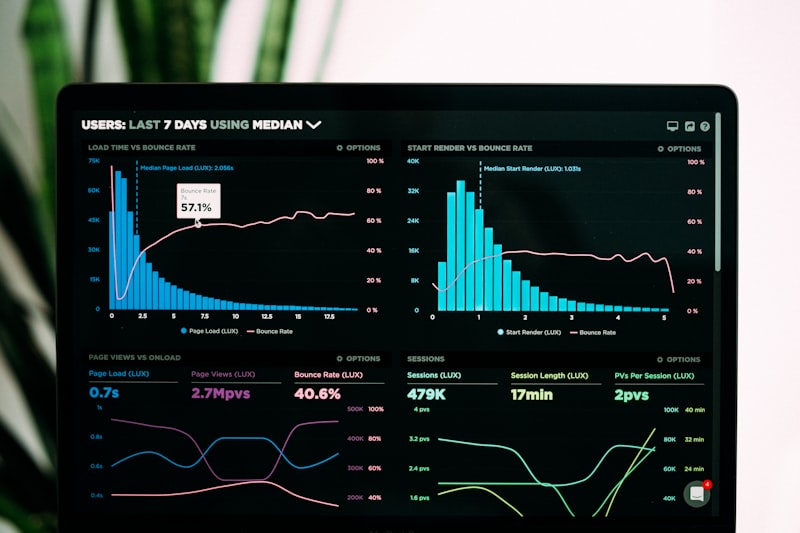
Building and optimizing a high-converting lead funnel requires tracking data across dozens of touchpoints, aligning sales and marketing on lead definitions, and iterating on your lead capture system fast. That's where Meeze.io comes in. Our platform centralizes all your funnel data in one dashboard, so you can see exactly where leads are dropping off, which traffic sources drive your highest-converting leads, and whether your sales team is meeting your own follow-up goals for new MQLs. You can also build and test lead capture forms, track micro-conversions across your conversion funnel, and set up automated lead scoring to ensure only qualified leads get passed to sales. No more jumping between Google Analytics, your CRM, and your email tool to figure out why your funnel is leaking — Meeze.io gives you the full picture in seconds, so you can focus on optimizing instead of data wrangling.
Building a lead funnel is an ongoing process of testing and aligning your teams. Audit your funnel, define qualification criteria and simplify lead capture. Explore Meeze pricing for the paid plans and money-back guarantee.
Q: What's the difference between a lead funnel and a sales funnel strategy?
A: A lead funnel covers the journey from first brand touch to qualified lead handoff to sales, while a sales funnel strategy includes the full journey from lead to closed deal, including sales outreach, negotiation, and contract signing. Your lead funnel is a subset of your broader sales funnel strategy.
Q: How many stages should a lead funnel have?
A: Most high-converting lead funnels have 3-5 stages: Awareness (visitor discovers your brand), Consideration (visitor engages with your content), Lead Capture (visitor shares contact info), Qualification (you confirm ICP fit), and Handoff (lead is passed to sales). More than 5 stages often adds unnecessary friction.
Q: How long does it take to see results from optimizing a lead funnel?
A: There is no guaranteed timeline. Measure your baseline, fix obvious friction and test changes over time.
Discover how Meeze helps businesses automate workflows, manage customer relationships, coordinate projects, and scale operations from one platform.